Butterflies, Blank Stares, and Brilliant Moments
👨🏼🏫Ah, your first day of teaching English as a Second Language.
It’s a bit like your first day at school… except now you’re the one holding the whiteboard marker, everyone’s looking at you, and you’re expected to know what you’re doing.
Whether you’re teaching in your own country or somewhere exotic, your first class is a cocktail of excitement, nerves, and maybe even stagefright !🥵
The Feelings You’ll Probably Have
- Excitement – You’ve been planning this moment, and now here you are, ready to inspire minds, change lives, and maybe accidentally mispronounce a student’s name.
- Nervousness – Your inner voice whispers, What if they don’t understand me? What if I forget what a past participle is? (Don’t worry, nobody is expecting you to be Shakespeare.)
- Mild Panic – You realize you have to remember 20 names (you don’t), keep people engaged(you do), and explain grammar(you might)… all before lunch.
- Responsibility – These students are trusting you to help them communicate. It’s exciting, but it’s also a little “gulp” moment.
Worries That Might Pop Up
And yes — they’re completely normal:
- “What if they just stare at me?”
Smile, use gestures, and start with something interactive. Staring contests are not recommended. - “What if I run out of material?”
Always have an emergency game or quick speaking task ready. Think of it as your teaching parachute (see book at end of post). - “What if they’re too shy to talk?”
They probably will be at first. Just expect it, and you will be ready. Icebreakers work wonders. Even simple ones like “Find someone who…” get students talking without the pressure of speaking in front of the whole class. - “What if I lose control?”
Set clear expectations right away. It’s easier to loosen up later than to tighten rules after chaos has taken over. But you probably, at some point, will lose control of the class (If this happens, stand there silently with your arm raised straight above your head. One by one, the students will notice and focus back to you. It always works like magic!).
Preparation Tips That Will Save You
Think of these as your teacher’s survival kit:
- Over-Plan
If your lesson is for an hour, plan for 75 minutes. Silence is golden in a library, but deadly in a classroom. - Learn About Your Students
Even knowing their age and language ability level will help you avoid, say, teaching “job interview questions” to a group of eight-year-olds. - Bring Props
Any interesting pictures or objects can bridge the language gap and help the students learn a bit about you. (Pictures of your child or new bulldog puppy always win first prize). - Set the Tone
Friendly but clear: “We’re going to learn and have fun, but yes, I will notice if you’re on your phone.” - Check Everything
Arrive early to test the projector, computer, whiteboard markers, and seating layout. Your first five minutes should be introducing yourself, not hunting for a working pen.
The Reality
👨🏫Your first day won’t be perfect, and it doesn’t need to be. You’ll make mistakes, you’ll forget a student’s name, and maybe you’ll accidentally draw something on the board that looks… questionable.
But you’ll also get moments that make it worth it:
The shy student who finally says a sentence out loud. Everyone laughs when a game gets competitive. The realisation that, hey, I can actually do this.
So breathe. Smile. And remember: your students are just as nervous about meeting you as you are about meeting them.
Now, go forth and teach, and don’t forget your whiteboard marker.
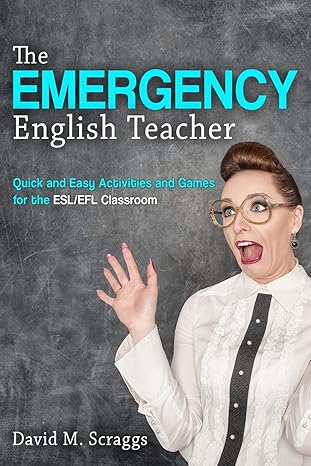
…and if you want to be really prepared with a stack of ideas before heading in, click on my activity book here..